04
Server Ack
Clients report interactions; the backend or Layer server decides state.
captured = true never originates on the client.
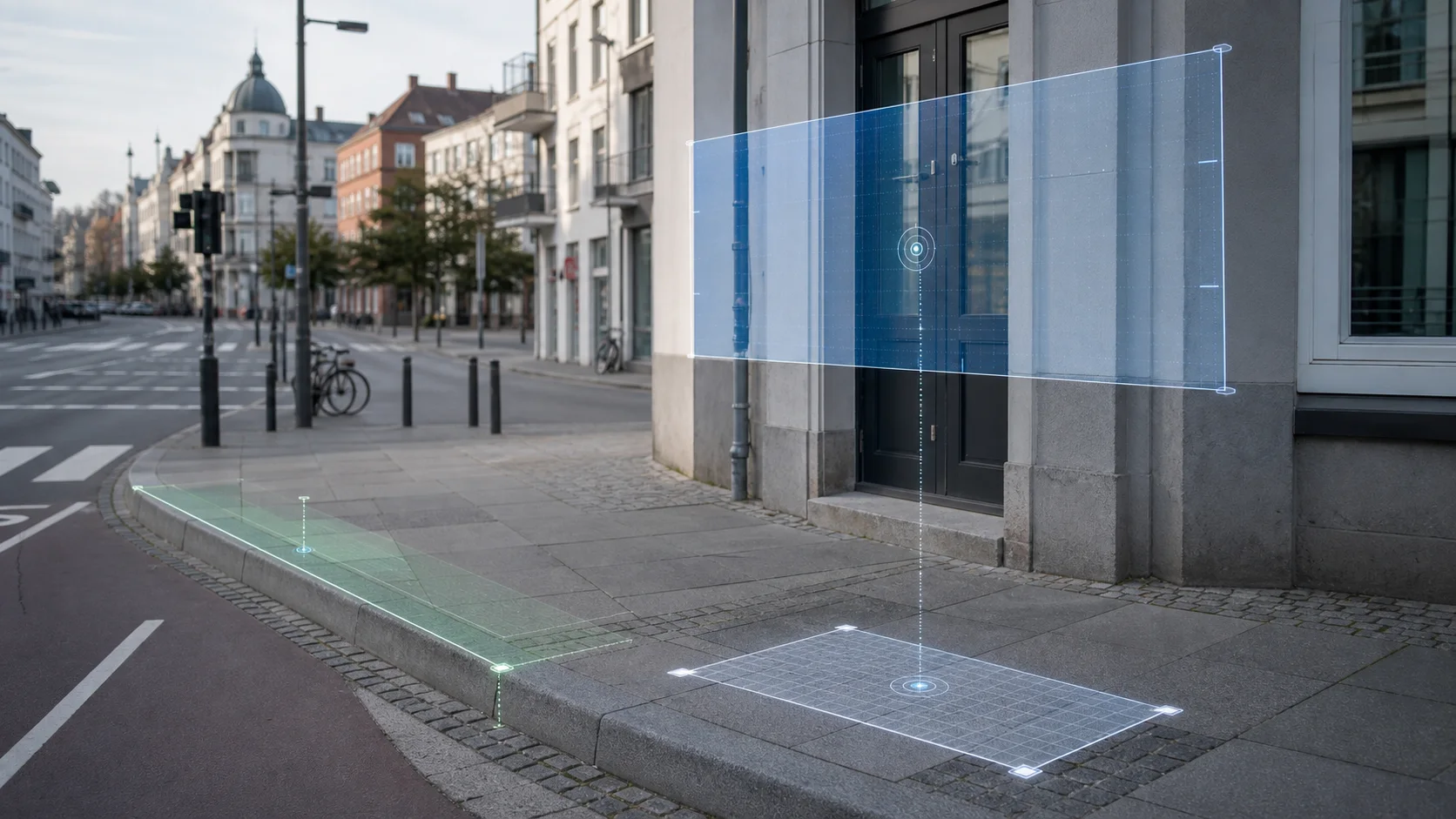
Reality Layer Runtime / Berlin Field Preview
The world has layers.
Beyond loads activatable Reality Layers exactly where they exist: Drops, Quests, Places, and partner objects rendered as Spatial Objects in one server-authoritative runtime.
01
Social is only the first Layer. First-party Drops use the same public API external partners get: manifest in, Spatial Objects out.
{
  "id": "com.beyond.social",
  "schema": "beyond.layer.manifest.v1",
  "objects": "spatial_objects",
  "capabilities": ["location:coarse"],
  "interaction": "server_ack"
}02
Drops, Quests, brand moments, and navigation arrows all live in one generic spatial model. No per-use-case tables, ever.
03
The runtime asks for a Scene around the viewer. The backend filters by status, distance, capabilities, and moderation before anything renders.